Archdiocese of Verapoly
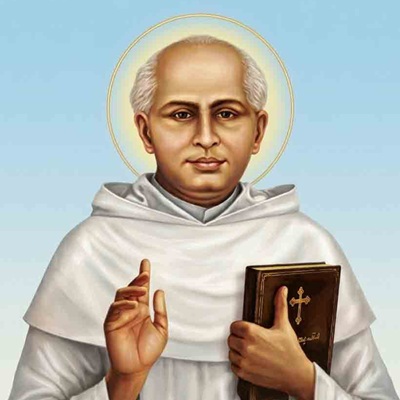
The St. Kuriakose Elias Chavara Museum in Koonammavu, Ernakulam, Kerala, preserves the memory of Saint Kuriakose Elias Chavara and his connection with Koonammavu. The Chavara Museum Koonammavu is located at St. Philomena’s, and the museum and surrounding historical sites offer visitors an opportunity to learn about the life, ministry and legacy of Saint Chavara.
Nestled on the serene banks of the Periyar River, Koonammavu holds a unique place in the spiritual history of
the Roman Catholic Church and the Archdiocese of Verapoly.
It was here that St. Kuriakose Elias Chavara spent
the final seven years of his life, leading the Church with wisdom, deepening the charism of religious life, and shaping countless lives through prayer, education, and pastoral care. He was also the Vicar General of the Vicariate of Verapoly under the Great Missionary, Most Rev. Dr. Bernadine Baccinelli, who had issued the famous pastoral letter which contained “Pallikoppam Pallikoodam’, that initiated the establishment of schools in the premises of every church in Kerala.
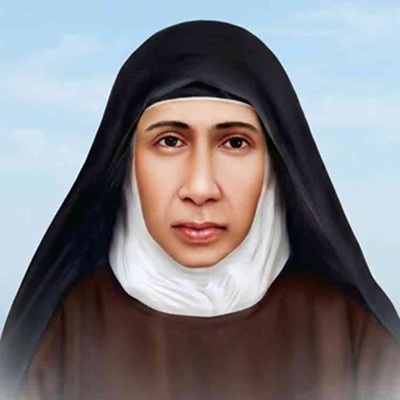
Koonammavu is also the sacred home of Blessed Mother Eliswa Vakayil, The foundress of the Congregation of the Teresian Carmelites (CTC), whose life of prayer and compassionate service continues to inspire generations.
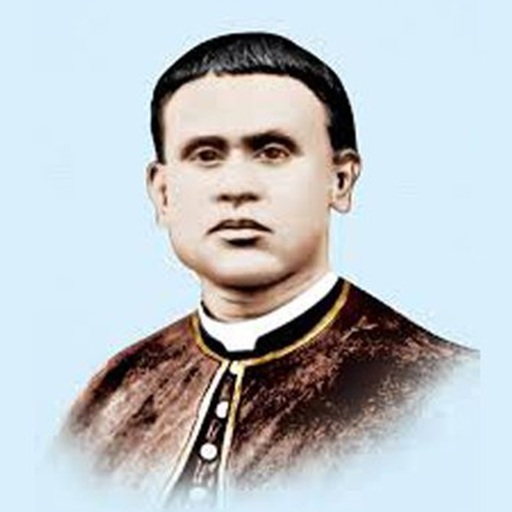
Adding to this rich spiritual heritage is Fr. George Vakayil, affectionately remembered as the “Achan Punyalan,” whose holy priestly life, pastoral charity, and unwavering devotion to Christ continue to draw the faithful seeking inspiration and intercession.
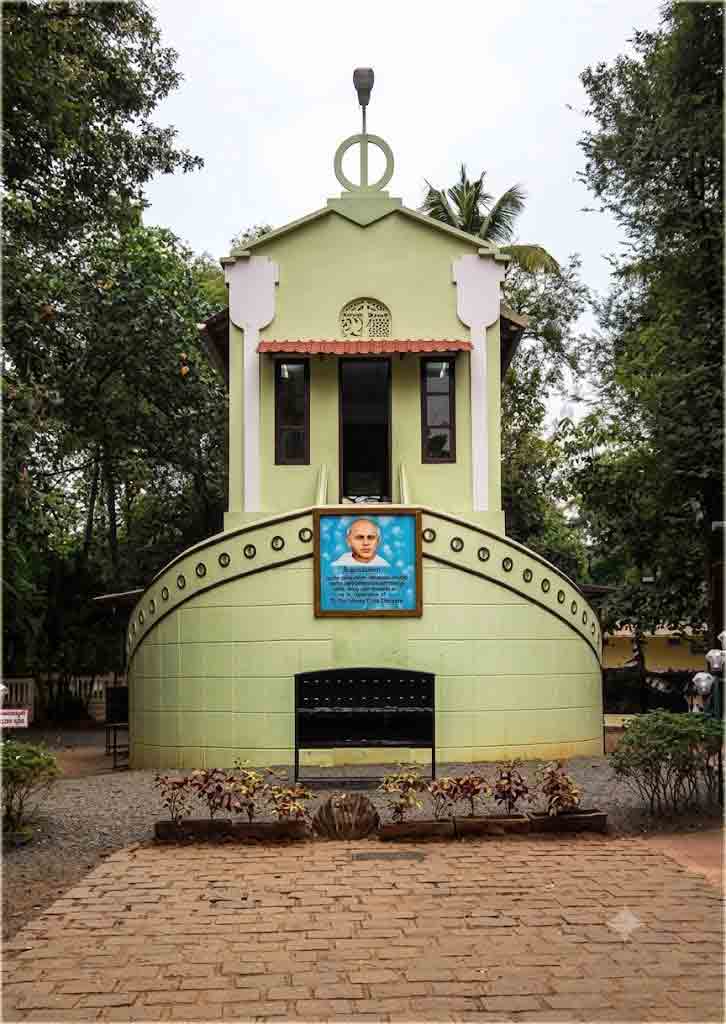
This humble room at St. Philomena’s Monastery, Koonammavu, is one of the most sacred places associated with the life of Saint Kuriakose Elias Chavara.
It was here that he spent the last seven years of his earthly life (1864–1871), dedicating himself to prayer, contemplation, writing, spiritual guidance, and the service of the Church.
Within these simple walls, Saint Chavara continued to inspire priests, religious, and lay faithful through his profound wisdom, fatherly care, and unwavering trust in Divine Providence.
Preserved with reverence, the room invites pilgrims to reflect on the saint’s life of holiness, humility, and selfless love.
Standing in this sacred space, visitors experience a deep sense of peace and a living connection to the saint whose final years were marked by extraordinary faith and complete surrender to God's will
A Pioneer of Educational Reform in Kerala
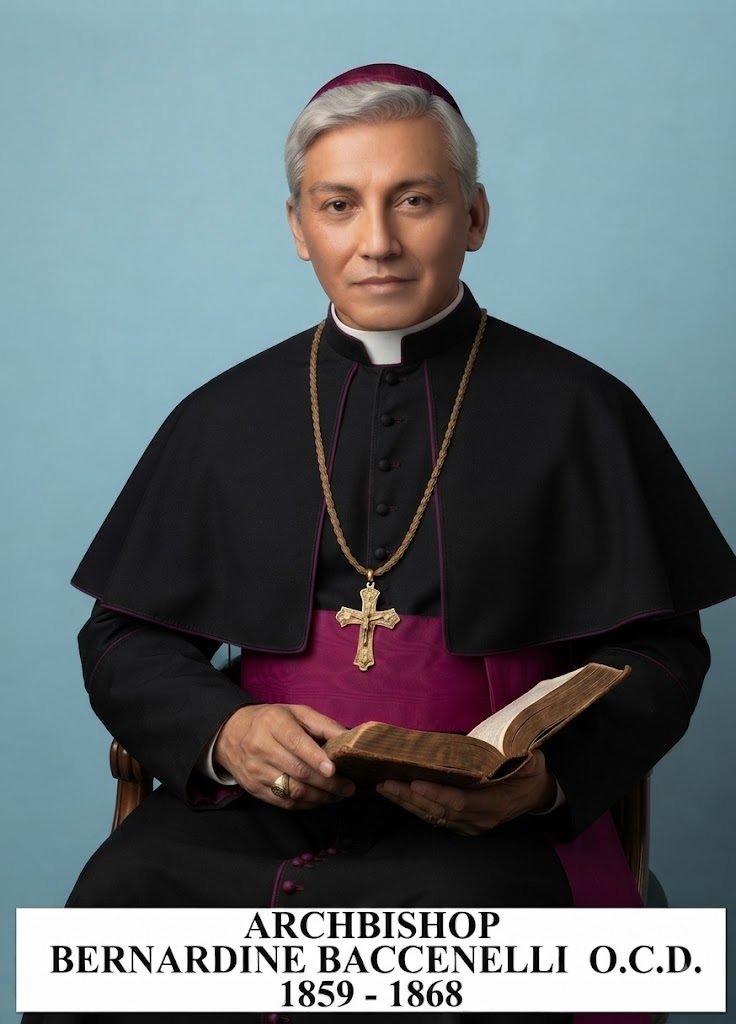
Archbishop Bernardine Baccinelli, O.C.D., served as the Vicar Apostolic of Verapoly from 1859 until his passing in 1868. A visionary leader and Italian Carmelite missionary, he played a pivotal role in shaping the educational landscape of Kerala.
In 1856, Archbishop Baccinelli issued a landmark decree "Palliyodoppam pallikoodam" mandating the establishment of schools attached to every parish within the vicariate, encompassing the entire Malayalam-speaking region. This directive is widely regarded as a foundational moment in Kerala’s educational renaissance, significantly contributing to the state’s high literacy rates today. During his period, the territory of Vicariate of Verapoly was from Mangalore in Karnataka to Kottar in Tamil Nadu, and it included both Latin and Syro-Malabar faithful.
Beyond education, Archbishop Baccinelli was instrumental in promoting social reforms. He founded the first indigenous religious congregation for women in India—the Third Order of the Discalced Carmelites (TOCD)—in 1866, which laid the groundwork for the Congregation of the Mother of Carmel (CMC) and the Congregation of Teresian Carmelites (CTC). These congregations advanced women’s education and empowerment during a transformative period in Kerala’s history .
Archbishop Baccinelli’s enduring legacy continues to inspire educational and social initiatives across the region, embodying a commitment to holistic development and community upliftment.
The Kerala Catholic Church traces its origins to the apostolic age and reflects a rich heritage of faith, worship, and service that has flourished for nearly two millennia. United in communion with the Universal Catholic Church, the faithful of
the Roman Catholic, Syro-Malabar, and Syro-Malankara traditions together bear witness to the Gospel through prayer, education, healthcare, social outreach, and cultural contributions. Rooted in the teachings of Jesus Christ and inspired by generations of saints, missionaries, and dedicated believers, the Catholic Church in Kerala continues its mission of proclaiming the Good News and serving society with faith, hope, and charity.
Click Here
The Archdiocese of Verapoly holds a special place of honor in the Kerala Catholic Church.
Through its rich history of evangelization, pastoral leadership, and commitment to education and social service, it has nurtured the growth of numerous dioceses across the state.
Rooted in a vibrant missionary tradition, the Archdiocese continues to inspire the faithful by
fostering the Gospel values of faith, unity, and compassionate service,
while preserving the rich spiritual heritage of the Church in Kerala.
Click Here
The Catholic Bishops' Conference of India (CBCI) is the national body that brings together the Catholic bishops of India to foster unity, collaboration, and shared pastoral responsibility. Established in 1944, it serves the Church by coordinating initiatives of national importance, promoting evangelization, social justice, education, healthcare, interreligious dialogue, and the common good. Guided by the Gospel and united in communion with the Universal Church, the CBCI works to strengthen the Church's mission of proclaiming Christ's message of faith, hope, peace, and compassionate service throughout India.
Click Here
As the permanent seat of the Pope, the Holy See bears witness to the Gospel of Jesus Christ and serves the Universal Church through pastoral leadership, diplomacy, and faithful stewardship of the Church's apostolic mission.
The Holy See is the central governing authority of the Catholic Church, entrusted to the Pope as the Successor of Saint Peter. Through the Roman Curia and its various institutions, it guides the Church's spiritual mission, promotes the unity of Catholics worldwide, and fosters dialogue, peace, justice, and charity among nations and peoples.
Click Here